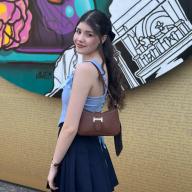
Getting the chance to leave the country for an Erasmus project in Germany still feels a little unreal, even now. I remember writing my motivation letter for it, pouring my soul onto those rows of text, and realizing that this wasn’t just about trying something new technically. It was cultural, exciting, challenging, all at once. I could already picture myself in that scenery before I’d even packed a bag.
The programme itself was a Blended Intensive Programme, or BIP, hosted at SRH University in Heidelberg, running from the 15th to the 19th of June. More than 40 students and academic staff from eight European universities came together on the SRH Heidelberg campus for it, mixing a bit of online preparation beforehand with an intense, in person week on site. Universities from the Netherlands, Austria, Finland, Norway, Romania, North Macedonia and Germany were all represented, so from day one it was clear this would be as much about learning to work across cultures as it was about the robotics.
Day 1: Meeting the Team, Meeting the Track #
Day one started early, all of us gathering at the SRH campus to finally put faces to the programme we had only read about beforehand. The tall tower and the modern glass look of the building stood in such contrast to the historic buildings I am used to back in Breda, and for a second missing home crept in. But I was far too excited about what was coming to dwell on it for long.
Each university got the chance to present itself, and that was our first real moment of getting to know one another. Our presentation was far from perfect, a few slides too rushed and a joke that landed only with half the room, but looking back, I think it said something true about us. We could adapt to just about any scenario and still find the best in it.
Then came the moment I had been waiting for, meeting my team. Team C turned out to be six of us, myself included, pulled together from Norway, North Macedonia, Hungary, Finland, and to my absolute delight, Romania too. Hearing a familiar accent so far from home was such an unexpectedly grounding feeling, like carrying a small piece of home into a room full of new ones.
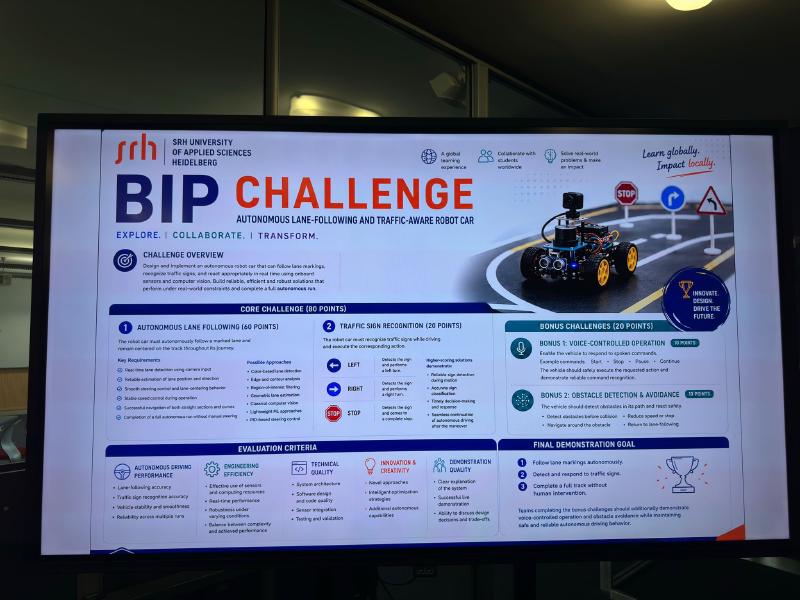
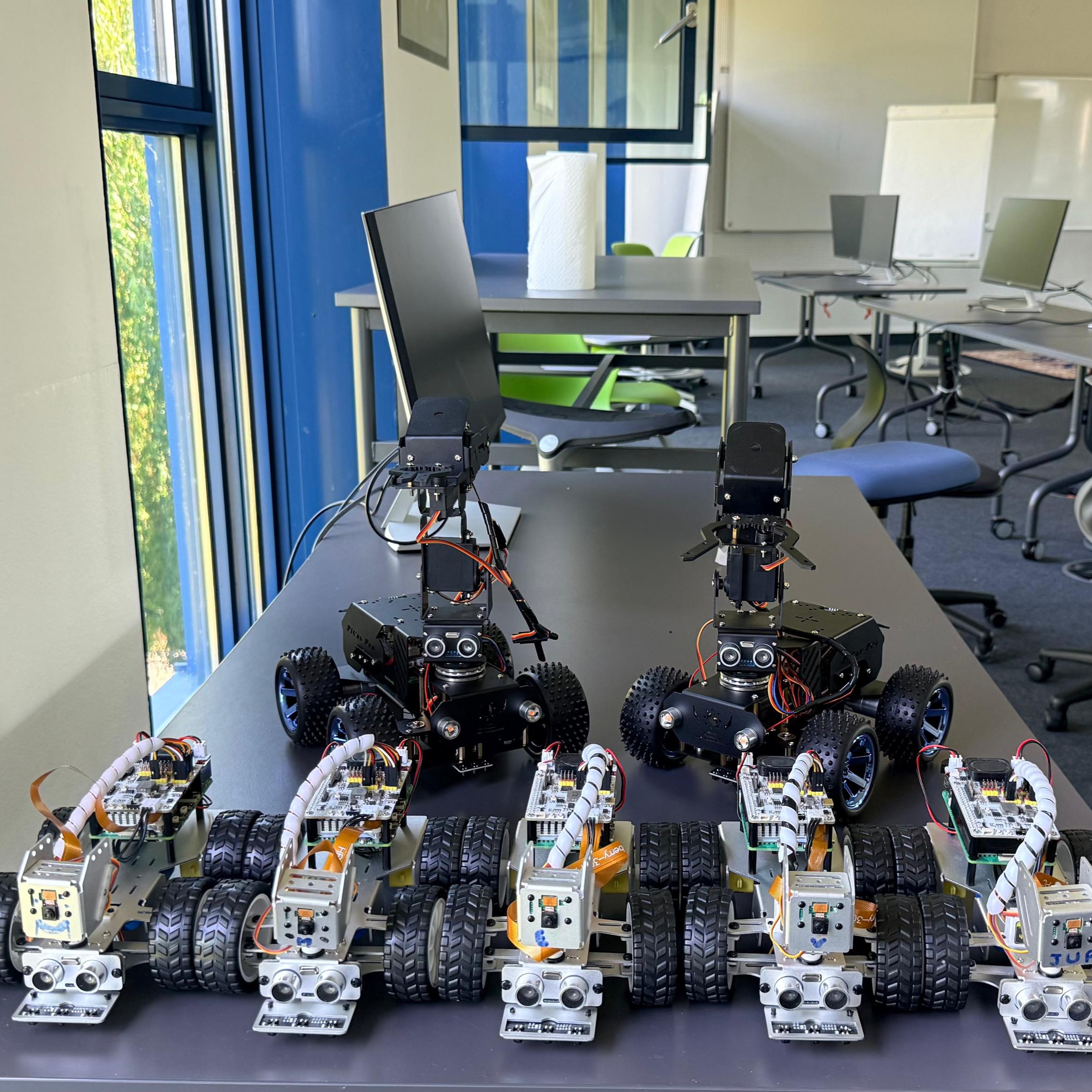
The rest of the day was spent getting our hands around what we would actually be building for the week: Mars 2.0, a SunFounder PiCar-X that needed to learn how to follow a track and recognize what was around it, stop signs included, using nothing but its onboard camera and a Raspberry Pi doing all the thinking. We sat through a three hour lecture covering everything we needed to set up before we could even think about writing our first line of code, from the hardware itself to the software stack we would be relying on all week.
We closed the day with dinner alongside some of the people I had just started to feel comfortable around, and somewhere between the food and the conversation, day one quietly turned into one of my favorites of the whole week.
Day 2: SAS, Sightseeing, and a Warning We Didn’t See Coming #
Day two opened with a visit to the SAS office in Heidelberg, part of the academic programme they run in partnership with the university. We got a proper look into their ecosystem, including some genuinely impressive large scale digital twin applications, but the part that stuck with me most was getting hands on with SAS Model Studio. We built predictive models to forecast flight passenger no shows, running a pipeline that combined logistic regression, decision trees, and open source code nodes, then compared how each one performed. Watching the models go head to head on their statistics was one of those small moments that reminded me why I love this field in the first place.
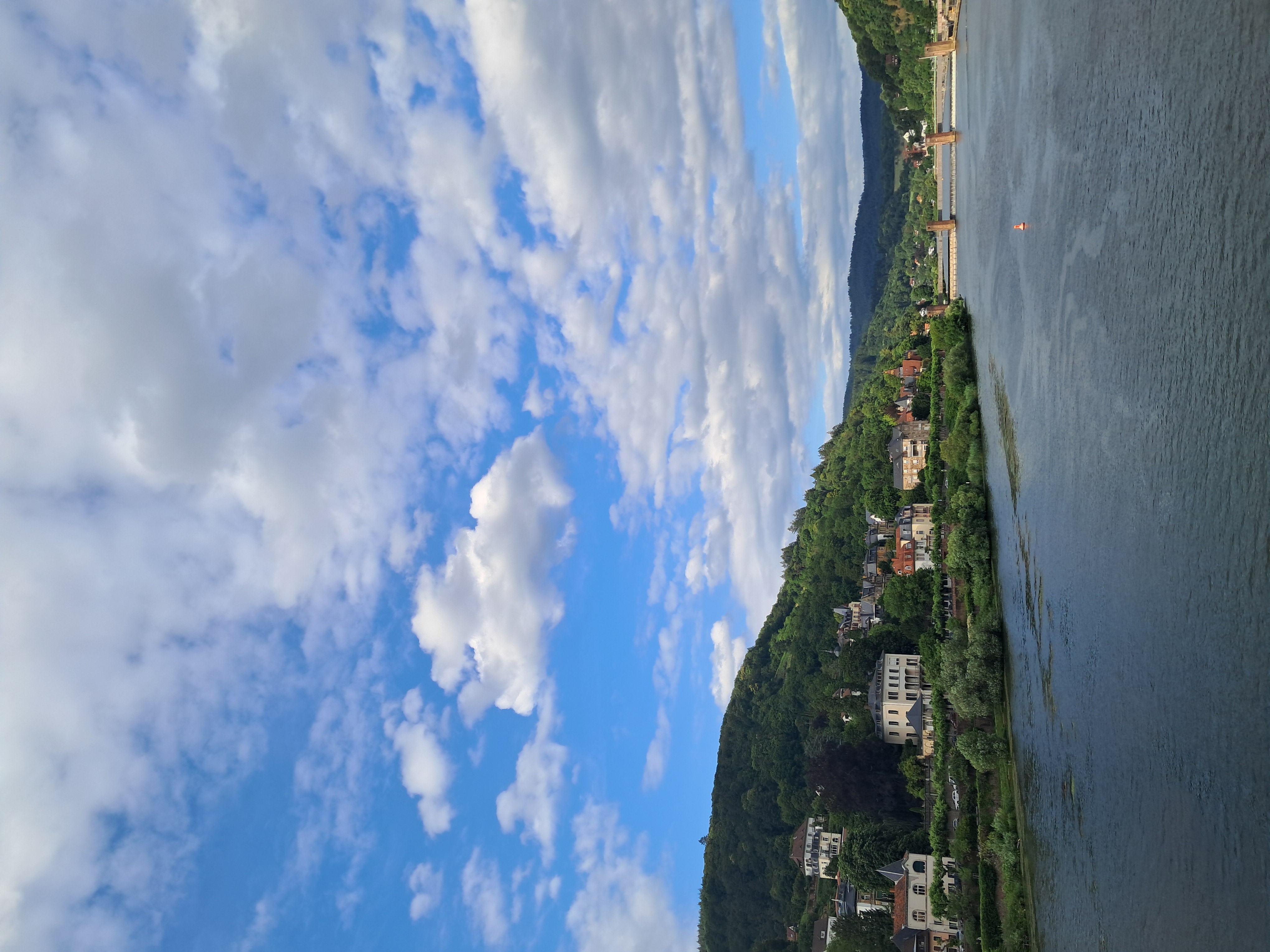
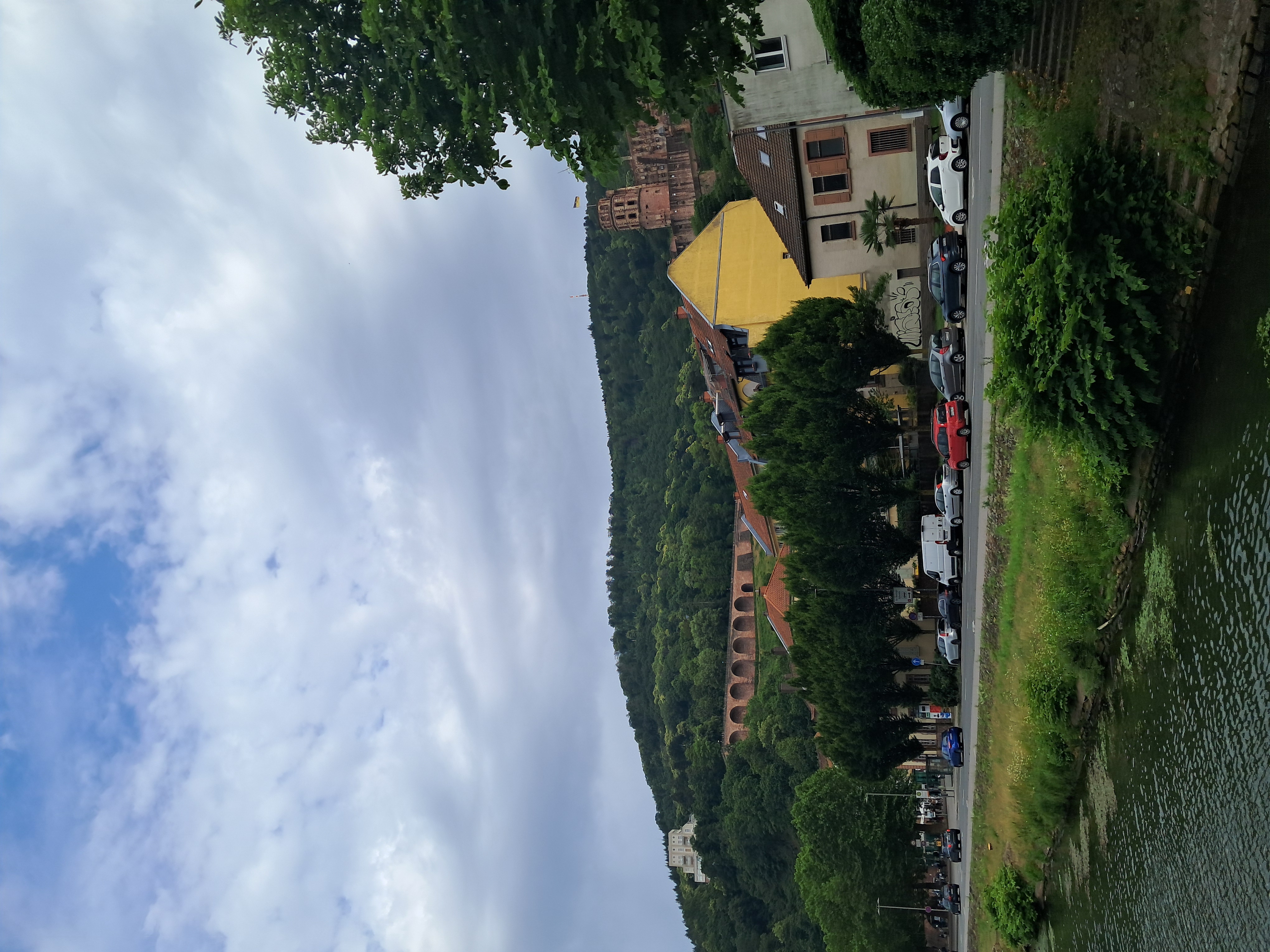
The afternoon shifted gears completely. SRH had organized a boat tour through the city, and we spent the rest of the day letting Heidelberg show off a little, wandering through town and taking in the view from the water. It was easy to get swept up in the scenery, so much so that none of us clocked what was waiting for us the next morning. We were about to learn exactly what the I in BIP stood for.
Days 3 and 4: The Rollercoaster We Didn’t Sign Up For #
I would be lying if I said I expected this to be all fun and giggles. I didn’t, not really. But nothing quite prepared me for how completely this project would take over the next two days.
Making a small car circle a track and return to its starting point sounded almost insulting in its simplicity when we first heard it. How hard could that possibly be? Right? …Right?
We were wrong. Spectacularly wrong. What followed felt less like a robotics project and more like a rollercoaster, one that took us up the hill and straight back down, then up again just to be cruel, all while six of us stood around the track throwing out ideas faster than we could test them. And somewhere in the middle of it, we lost a teammate. Not a person, thankfully, a car. Mars 1.0 gave up on us entirely, and I can only assume it decided to take a very long vacation somewhere far from students, possibly for the rest of the year. So Mars 2.0 rolled onto the scene, and the real work began.
We poured endless hours into getting this thing to just behave. Every attempt brought us a little closer to something that almost worked, but never quite crossed the finish line. I remember watching my teammates still at the university past midnight, running purely on hope and pizza, quietly begging the robot to stay in its lane, or at the very least stay on the track, because at this point it genuinely felt like it risked a fine for reckless driving.
By the final hours of day four, with only a handful left before our presentation, we had a robot that…
Day 5: Down to the Wire #
…gave up on us. Yes, Mars 2.0 needed a reboot only an hour before our presentation, but that part deserves its own breath, so we’ll come back to it in a moment.
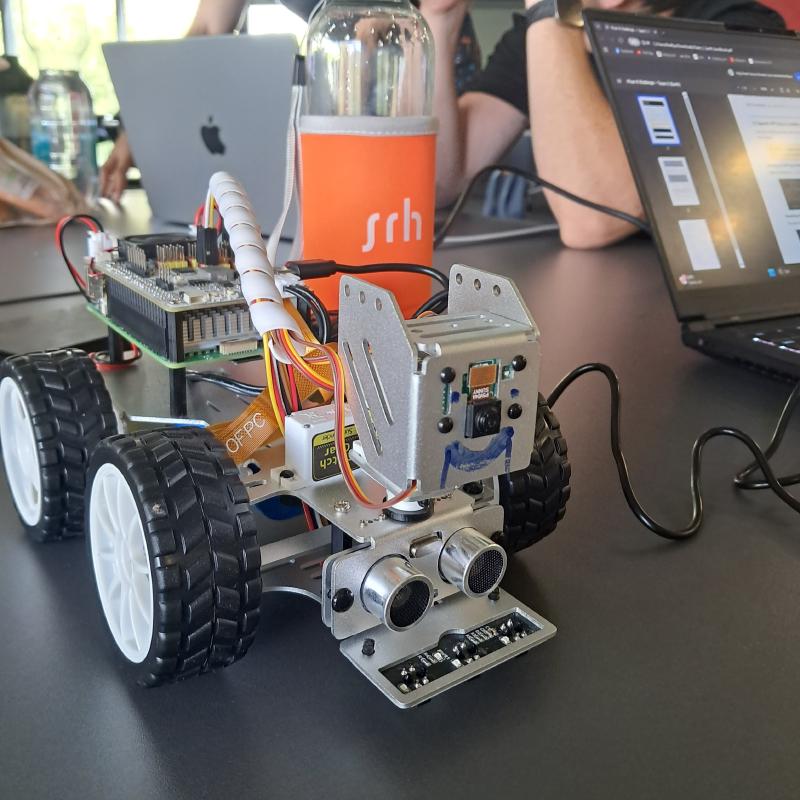
We were back at it since 8am, testing what we hoped was our best version of the code, without much confidence left in it after the last two days. But somewhere in that exhaustion, it hit me that I had already learned far more than I walked in with. Robotics was something I had quietly avoided for a long time, and somehow, over the course of one intensive week, it had grown on me. I even caught myself wanting to get my own little car to play with at home, half joking that I would teach it to throw treats to my cat, mostly in the hope he would finally move his paws more than twice a day.
And then, right when we needed things to go smoothly, we got blocked. None of us could run anything on the server, the robot sitting there completely unresponsive. Not this again. Our car, having survived like a true hero for two straight days, had apparently decided it had had enough. So there we were, sitting through other teams’ presentations, watching libraries and dependencies slowly install, organizing our files over and over in the hope that whatever we ran next would actually work, stress eating away at whatever calm we had left.
Then, somehow, Mars 2.0 came back to business. Between my code handling sign recognition and keeping the car on a full loop of the track, and my teammate from Romania running the code he had stayed up working on the night before, seeing it actually run for the first time was something else entirely. I could not believe my eyes. Our robot did it, completing the track, more or less, and staying in its lane the whole way through.
The other team we were up against did an incredible job too, and if anything, we were mostly just relieved ours had worked at all. I didn’t walk in expecting a win after everything we had been through. I was just happy to be there, in that exact moment, watching something we had all built together finally come to life.
The Verdict #
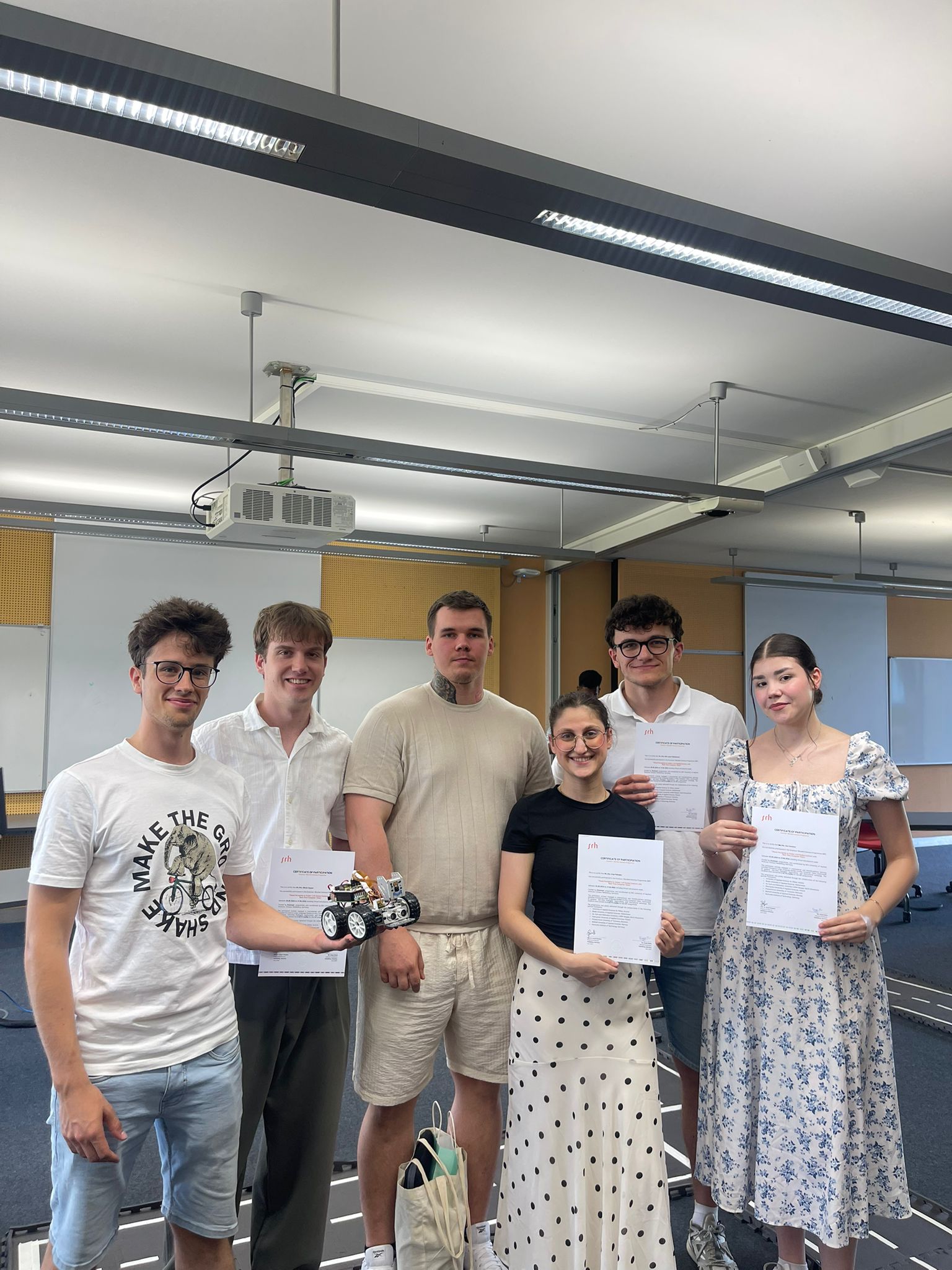
The committee, made up of the mentors who had joined us from every university on this journey along with a few faces from SRH itself, stepped out of the room to decide on a winner. We sat there waiting, doing that thing where you start half planning where to grab dinner just to distract yourself from how nervous you actually are.
Then the door opened.
“Who do you guys think won?”
A wave of whispers went around the room, each team quietly naming someone else, half hoping, half bracing themselves. And then we heard it. Team C. For a few seconds, none of it registered. It felt like the words needed a moment to actually reach us.
Then it hit all at once, and we were up, cheering, still not quite believing it. We did it. We actually did it.
This whole experience was a rollercoaster of emotions from start to finish, somewhere between exhaustion, determination, missing home, and pure excitement. I learned far more than I ever expected to. It has been almost two months since it all happened, and only now, sitting here writing this, do I feel like I truly understand what it was really about.
It was never just a project to put on a CV, or an intercultural experience to check off a list, even though it was both of those things too. It was a test of our limits, something that pulled every one of us out of our comfort zones and pushed back when we pushed forward. It was never supposed to be easy, and it wasn’t, but it was worth every single bit of it. Not because of the win itself, but because of everything we won long before that door opened.
I want to end this by thanking the people who made this whole rollercoaster worth riding. My teammates, who I got the absolute pleasure of sharing this with, and who will always have a place in my heart, wherever this journey takes each of us next. They showed me that you can build something out of nothing as long as you trust each other and actually believe in what you’re capable of. Thank you Erza Pallaska, Teemu Poutanen, Velimirovici Erik, Lernyei András, and Nikola Kupev, and to our mentor, Raul Brumar, for guiding us through it. 🫂
And Heidelberg, you will always have a place in this story. Until we meet again.